
Last summer, POTS had me stuck on the couch, bored to tears by my own heat-induced fatigue. I went looking for something to do with my hands, and found a bunch of crochet tutorials on TikTok. This was my gateway drug into fiber arts.
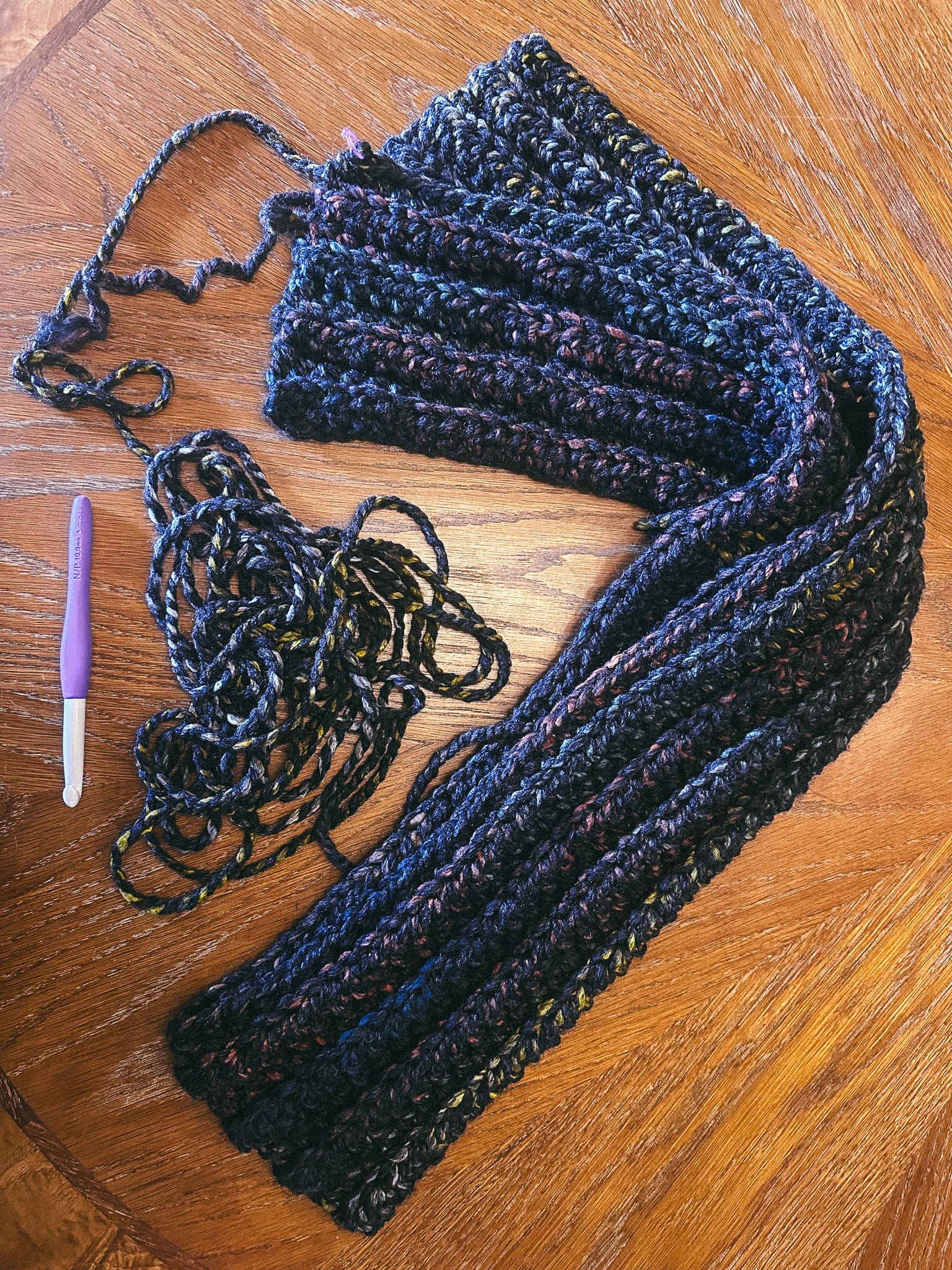
Crochet is portable, so when the heat subsided and I could leave the house again, I brought little projects with me everywhere. I found that it helped me pay attention in conversations, talk more freely in therapy, and cope with all kinds of anxiety.
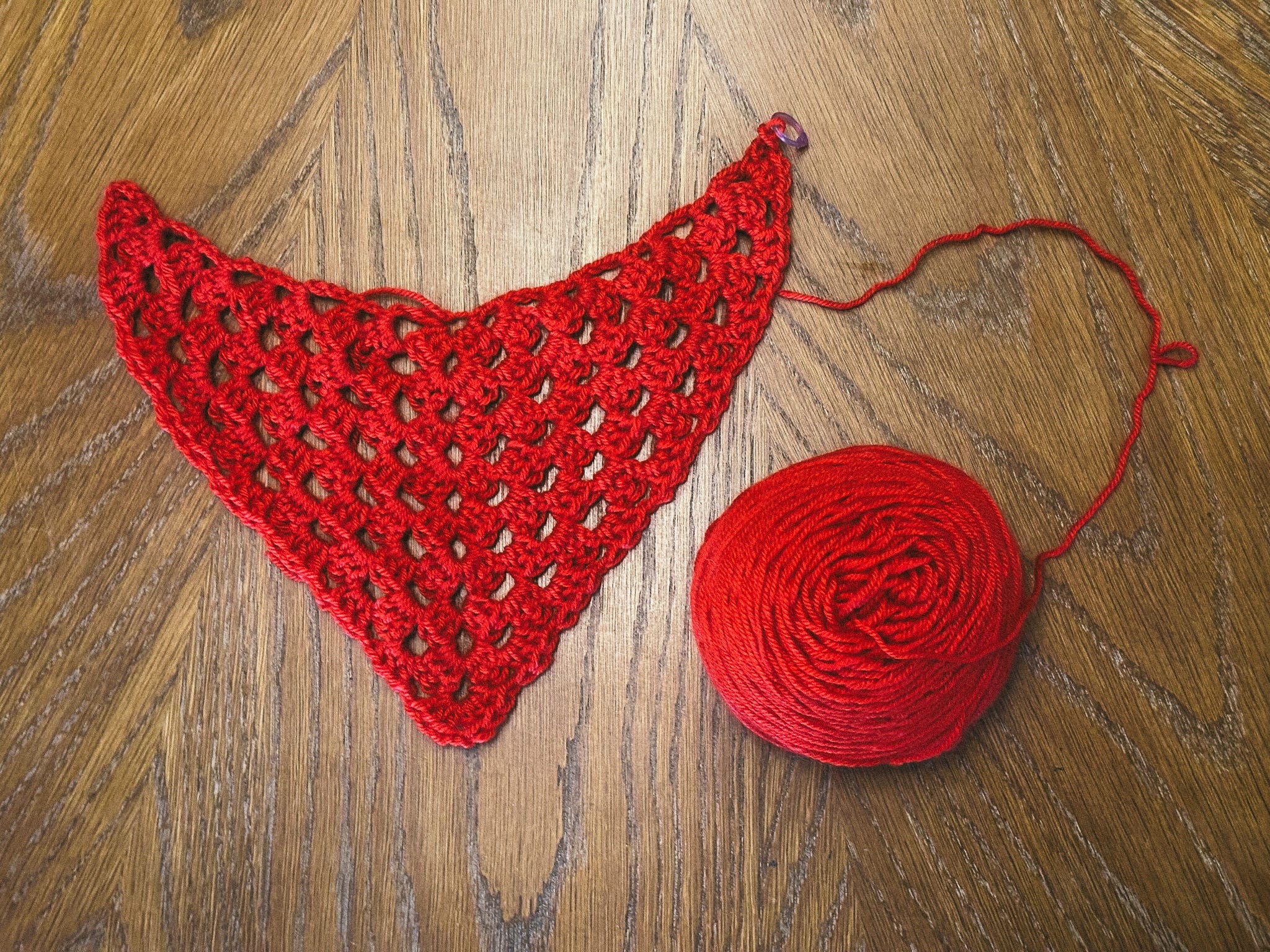
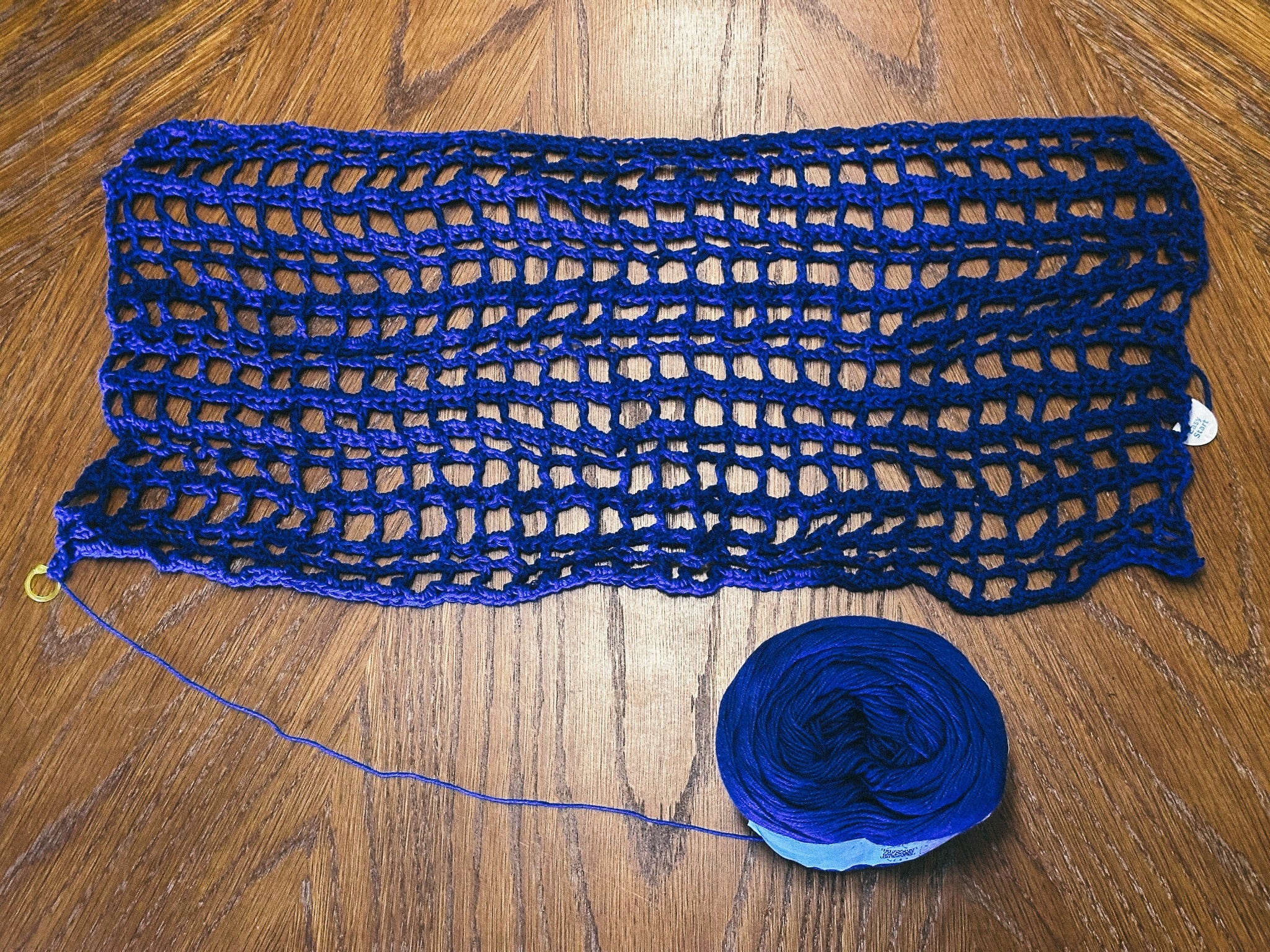
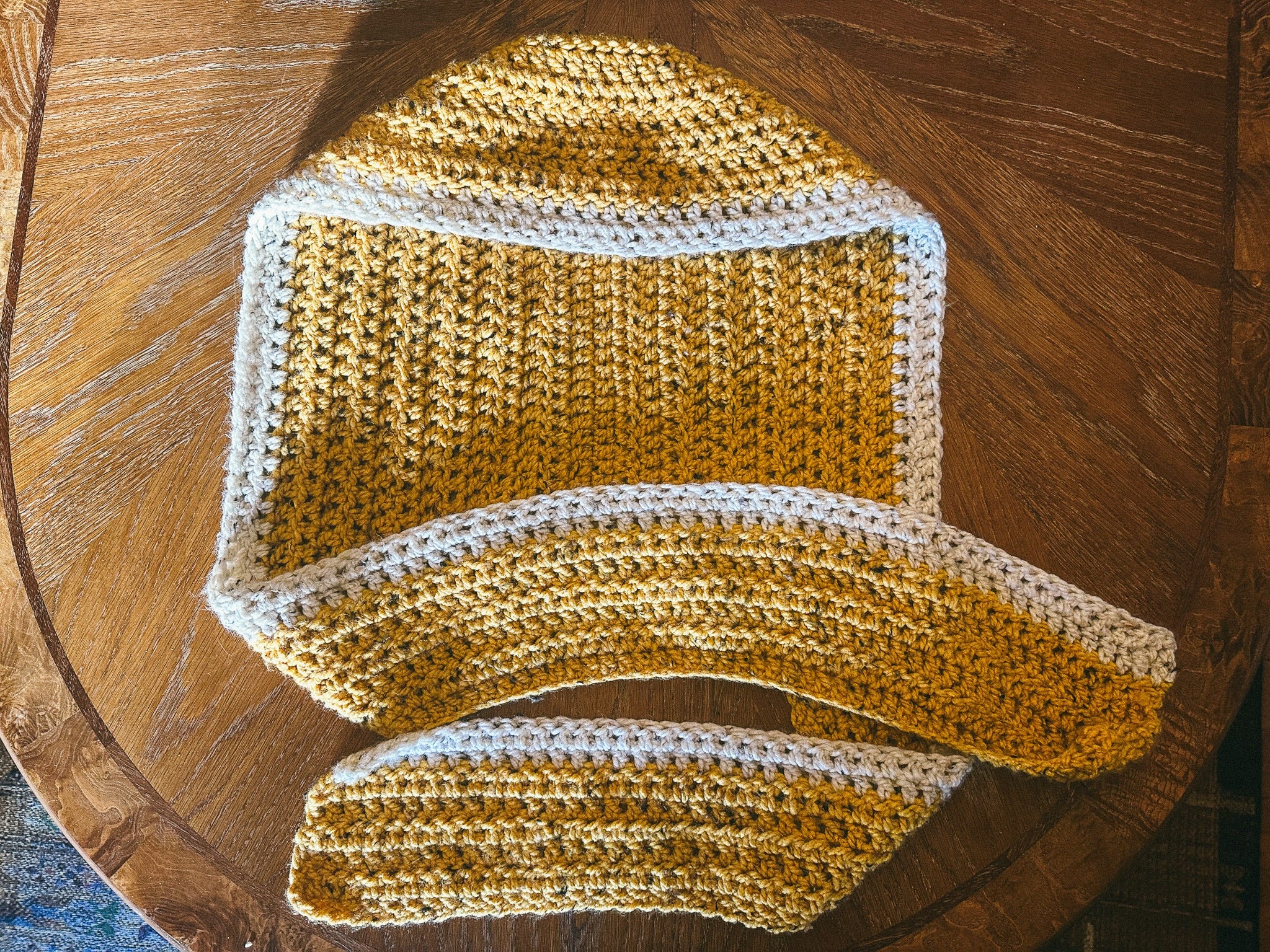
By the winter, I’d crocheted myself into RSI territory, but I couldn’t stop, so I decided to switch up my hand movements and try a knitting class at my local yarn shop last weekend. It was sold out, which is not surprising — yarncrafts are having a renaissance in the algorithmic age.
They’ve been framed as a pandemic lockdown cope, an antidote to doom-scrolling, and a new way of making third places during an epidemic of loneliness. These are fine explanations, but I’m always curious about the psychology of it all. Why had I become obsessed with yarn, to the point of injury?
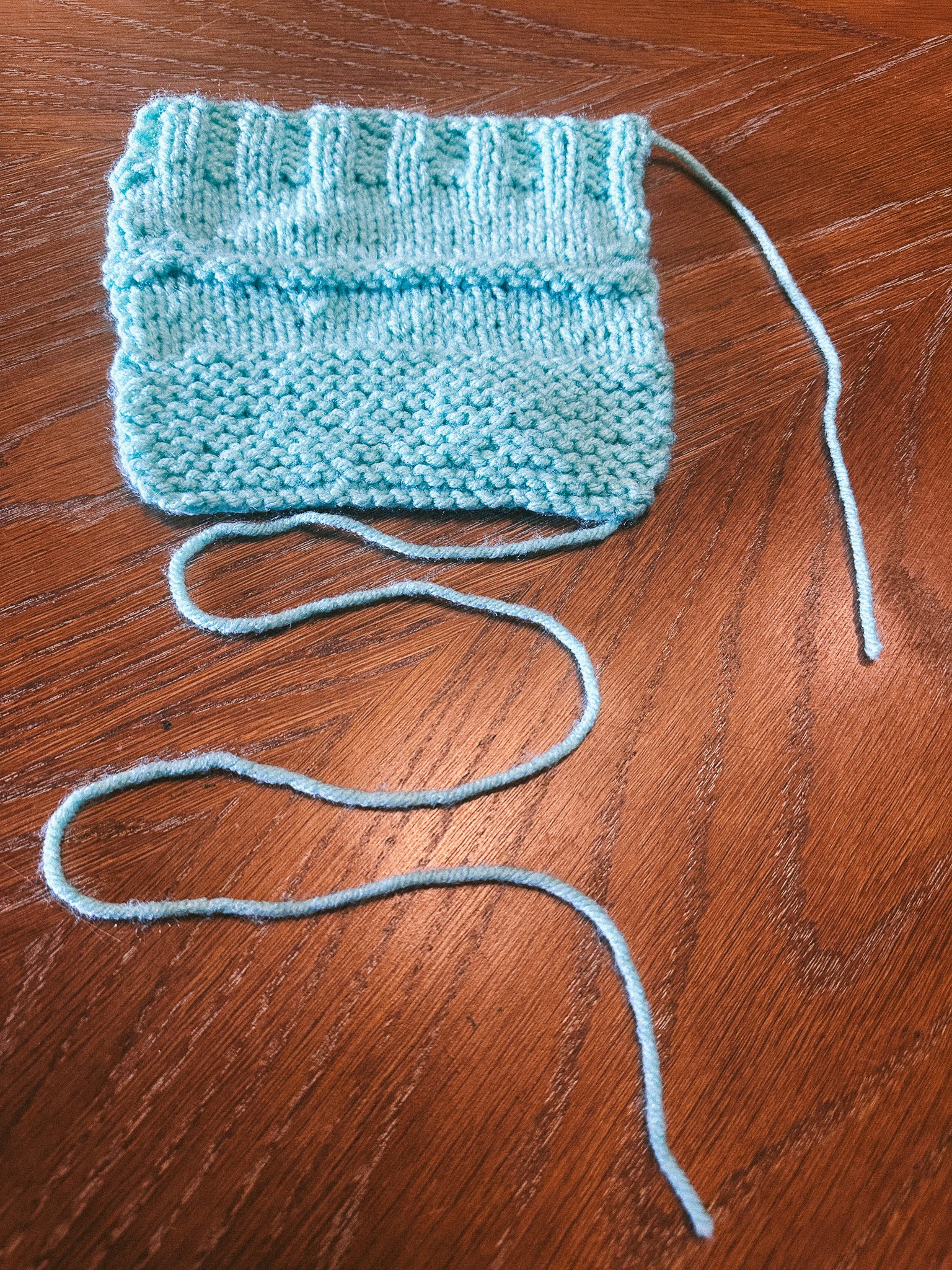
Knitting and crochet, in essence, are just different ways of making loops inside loops with one continuous thread, until it eventually becomes fabric. The patterns are repetitive, and one hand-knit sweater, for instance, can contain upwards of 70,000 stitches, taking anywhere from 20-40 hours. This might not seem like an ideal craft for someone with ADHD, but it holds me still like nothing else.
In knitting class, as I was struggling to make loops with two pointy wooden sticks, the teacher peered over my shoulder and said: “It’s harder if you think about it too much.”
By which she meant: you only learn to knit by letting your fingers figure it out. The embodied cognition researcher and ceramics artist Camilla Groth calls this ‘making sense through the hands.’
Making, for Groth, is ‘a form of thinking through actions, tools, things, and materials.’1 Lambros Malafouris, an archeologist who studies how materials affect the mind, has a sillier name for this — he calls it ‘thinging’:
“Cognition and emotion are not realized in the brain but with a brain; that is, to think and to feel, we need more than a brain. Brain regions work in concert, but they are never alone; rather, they are always parts of broader systems extending beyond skin and skull.”
Malafouris and Groth are working under a set of theories called 4E cognition, which considers the mind to not just be inside the brain, but embodied (thinking with the hands), embedded (limited and shaped by the environment), extended (into tools outside the body), and enacted (or, arising through action).
Malafouris thinks that psychiatry has largely ignored how people think with — not just about — things. He argues that objects can act as anchors, or ‘material scaffolds.’ For instance, in dementia, personal possessions can become ‘biographical objects’ that help a person remember their life and reinforce their sense of self; in schizophrenia, working with a material like clay can help ground someone in time.2
Maybe yarn had become a scaffold for me, too.
Attention-crafting
In 2023 the New York Times ran a story about disabled knitters, many of whom had ADHD. One woman, a county councilor who had started knitting to cope with chronic illness, was called out for knitting during a public meeting — an offended colleague thought she was being rude.
Most of the article goes on to explain why it isn’t, because knitting can actually help some people pay attention. They quote Dr. John Ratey (of Driven to Distraction fame):
“Being involved with something will make a person with flagging attention be more attentive,” Dr. Ratey said. “You will turn on the prefrontal cortex if you’re doing something like knitting.”
But from an embodied cognition perspective, I think it’s a bit deeper than just pressing the on-button of your prefrontal cortex.
If cognition is embodied, then knitting with your hands is not just helping your mind attend, it is your attention. The tactility, the shifting gaze up and down again, even the tools and the yarn, are all part of attention, extended and enacted. They create the structure and rhythm a person might need to attend.
Needing to do two things at once to focus on one is a very common topic in ADHD circles, but often it’s attributed to ‘getting dopamine’ — another explanation that considers attention to be solely an internal process in the brain, rather than an embodied, enacted one.
What if attending through movement is not just a hack into neurotypical attention, but a style of attention in its own right?
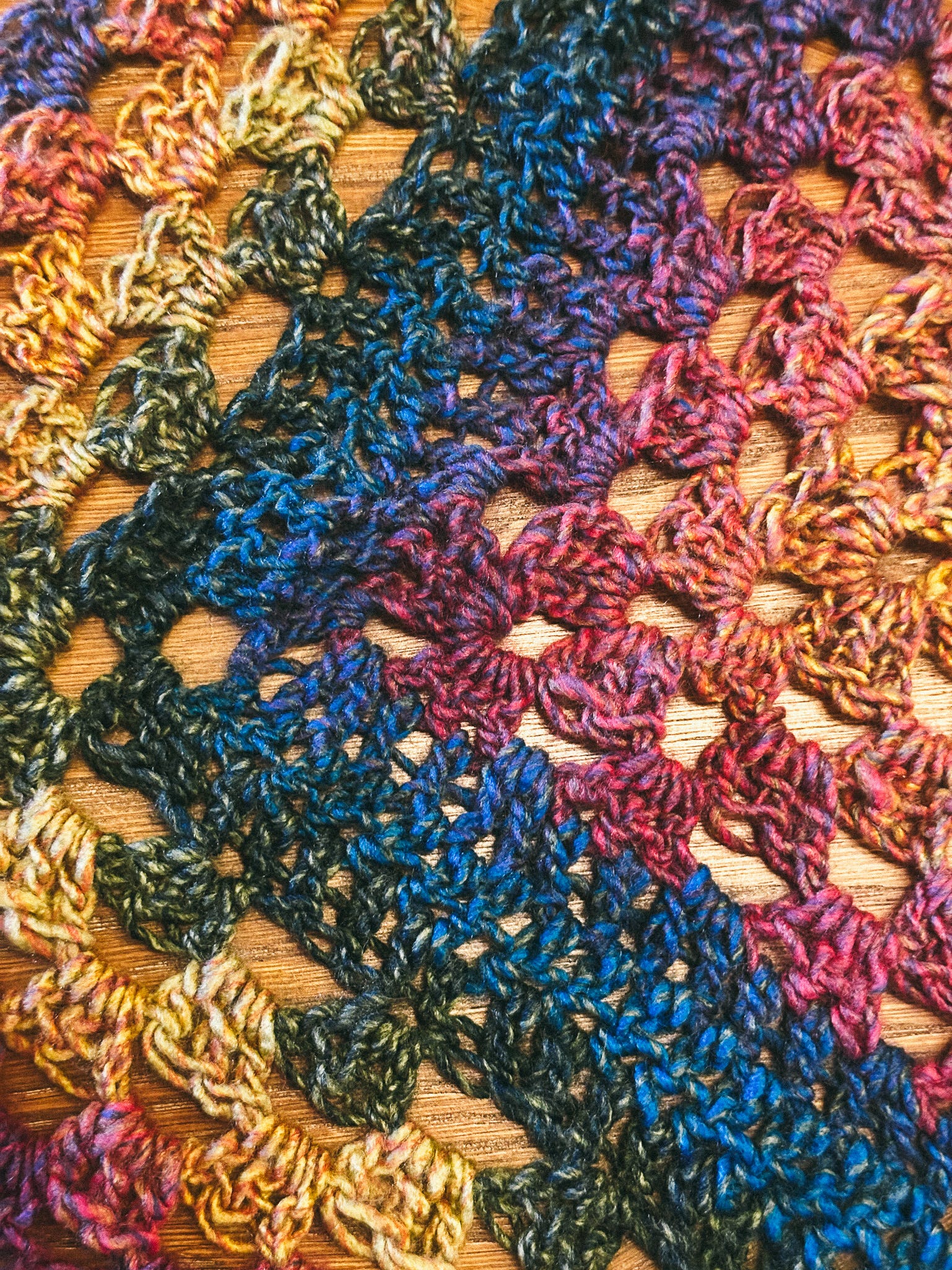
A study on crochet and attention published last year found that the craft improved alerting and orienting on the Attentional Network Test. Researchers hypothesized that this could be because the motor skills required by the craft strengthen connections with attention networks in the brain.
Similarly, doodling during class has been found to help students retain more information and get better grades, and for ADHD students in particular, using a fidget spinner has shown ‘large immediate and sustained’ increase in time spent on a task.
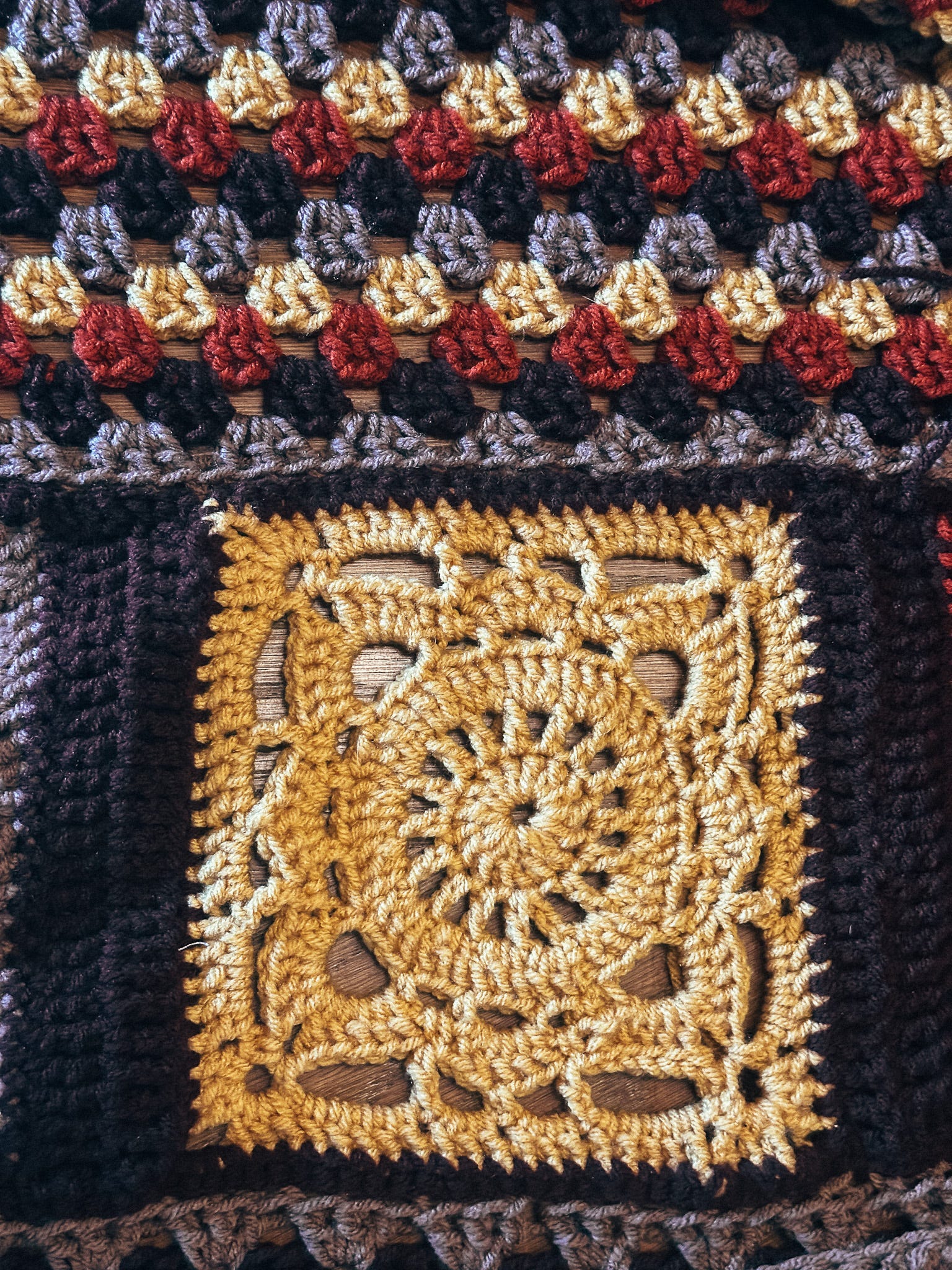
I also use crochet to help me attend, but it depends what I am crocheting. Some patterns are simple and automatic, which are ideal for attention-scaffolding.3 Anything that requires counting or referencing a pattern, though, takes up too much attention, and then I risk slipping into immersion and blocking out the rest of the world.
Yarn crafts are dual-natured — they can facilitate attention outward or inward, depending on the complexity of the pattern.
Life-crafting
In a paper titled Why Our Brains Love Arts and Crafts, Huotilainen et al also look to the theory of embodied cognition to explain how manipulating materials with our hands can affect our mental states.
They note that tactile sensations, like feeling yarn slide through your fingers, can be stimulating, improving awareness and attention outward, but they can also be grounding, which helps people with a lot of internal chatter calm down:
“..it may appear that ‘the body knows how to relax’ with the simple craft activity and may override the negative, arousing, threatening thought loops circulating in the conscious mind.”
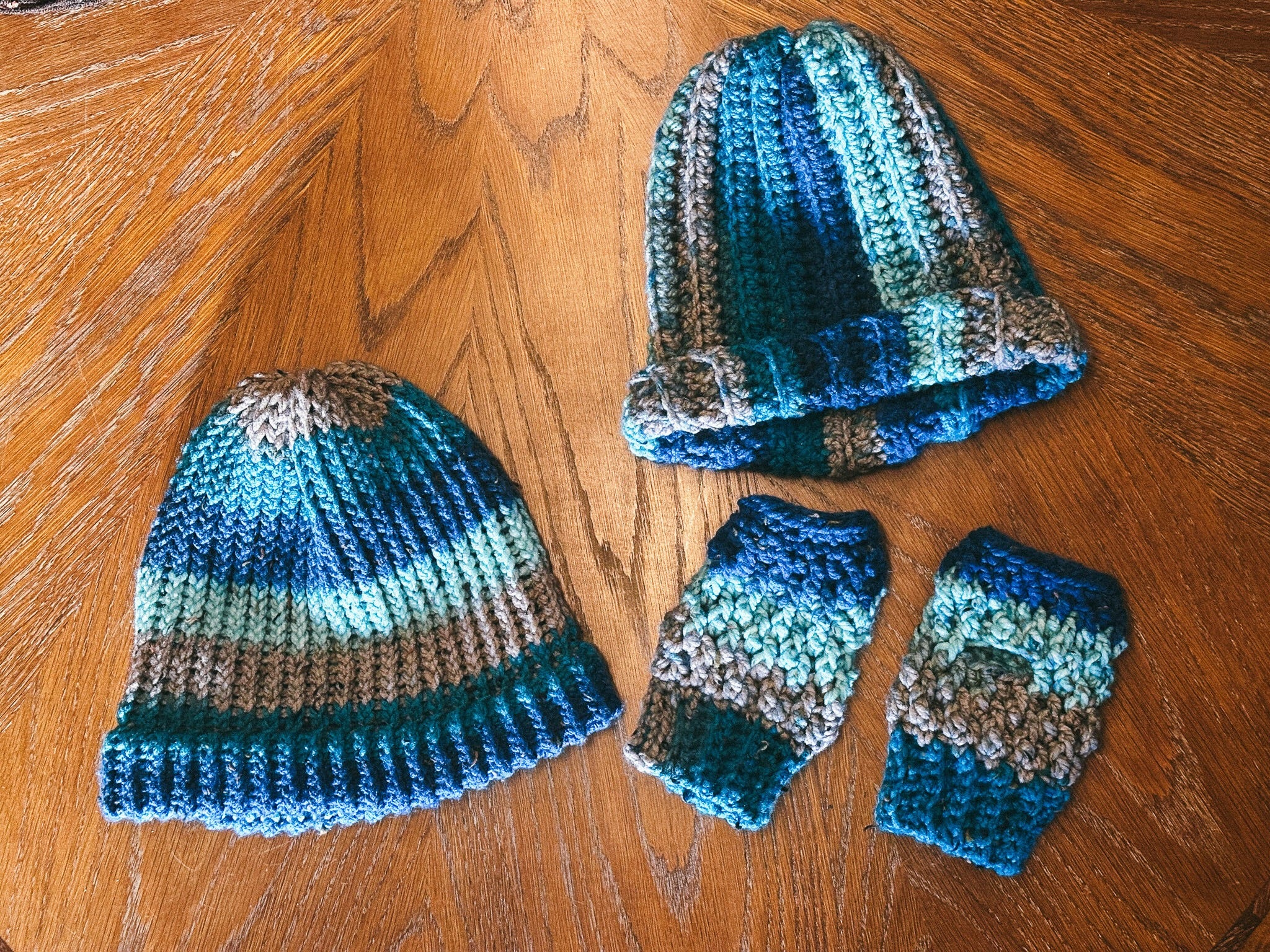
In 2024, researchers analyzed posts in a Ravelry group for knitters with mental illnesses called Knitherapy. One user wrote:
“While my hands are busy doing something, my mind slows to a crawl, and I am actually able to think about one thing at a time… rather than having 20-30 threads all going at once.”
The members of Knitherapy discussed all kinds of ways that knitting provided scaffolding in their lives.
Some used it as an alternative to taking anxiety meds; others as ‘a preventative measure’ to stop ‘a downward spiral.’ Knitting was also a kind of ‘diary’ — they could remember what they were doing and how they felt when they were making a piece, because those memories got embedded into the work, not unlike Malafouris’s ‘biographical objects.’
Knitting ‘stood for security, safety, assurance, strength, and stability.’ It was something they ‘could control in life even when other things seemed unfair and out of control.’ Crafting improved their self-efficacy — their belief that they could have an effect on the world.
There’s a lot that is ‘unfair and out of control’ right now, both a reality and a sense amplified by time spent plugged into newsfeeds. As digital life further alienates us from our work and from each other, people turn to crafting because doing something with your hands changes how you feel, and what you think is possible.
In researching this, I came across a psychological concept called ‘life crafting’:
..the conscious efforts individuals exert to create meaning in their lives through (a) cognitively (re-)framing how they view life, (b) seeking social support systems to manage life challenges, and (c) actively seeking challenges to facilitate personal growth.
I realize the word ‘crafting’ here is figurative, but literal crafting also checks all these boxes.
It offers ‘a safe possibility for failure’ — a practice that teaches, through tactile experience, how necessary failing is for growth.4 It brings people together around an activity to skill-share and make friends,5 and it provides an endless array of challenges in the form of new techniques and projects.
From an embodied cognition perspective, yarncrafting is life-crafting, too.
Groth writes:
“When we touch a material, we simultaneously feel ourselves and become aware of ‘being’. In this sense, making can be considered a way of being in contact with oneself.”6
I don’t see this trend as one of personal retreat, though. Many of the studies I read about yarncraft and well-being discussed the intensely social nature of the hobby — craft circles are popping up everywhere, online and off. Yarn can also be a scaffold for social cohesion. People want to weave together.
Further Reading:
A New Practice: How to Start Knitting, Madison Moore
How to Crochet For Absolute Beginners, Hopeful Turns
Making Sense Through The Hands: Design and Craft Practice Analyzed as Embodied Cognition, Camilla Groth, 2017
Knitting Two Together (K2tog), “If You Meet Another Knitter You Always Have a Friend”, Court, 2019
Why our brains love arts and crafts: Implications of creative practices on psychophysical well-being, Huotilainen et al, 2018
Re-thinging Embodied and Enactive Psychiatry: A Material Engagement Approach, Malafouris & Rohricht, 2024
How Knitting Transformed The Ancient World, Dr. Smiti Nathan
Joy in Labour: The Politicization of Craft from the Arts and Crafts Movement to Etsy, Krugh, 2014
A great video essay on cosplay crafting, private equity, and the fall of JoAnn’s that made me cry a little!!!
Nithikul and Groth, Craft and Design Practice from an Embodied Perspective
Malafouris & Rohricht, 2024
HDC BLO is my favorite mindless pattern, but I can see how knitting miles of stockinette in the round would be great for this too (once my hands figure it out enough that I stop accidentally increasing all the time..)
Huotilainen et al, 2018
especially great for those of us who are autistic, and/or struggle with social anxiety. also from the Knitherapy paper: “A knitter did not have to have the same amount of eye contact as those who were not knitting. The knitter could be part of a group but without having to be involved in the conversation.”
Groth, 2017
about this you should read about the soviet philosopher and psychologist evald ilyenkov, watch the “talking hands” documentary on YouTube, they developed the concept of thinging long before it started to become relevant in the west https://m.youtube.com/watch?v=WFuQVZhCiAA&pp=ygUodGFsa2luZyBoYW5kcyBldmFsZCBpbHllbmtvdiBkb2N1bWVudGFyeQ%3D%3D
I am a doodler- many annoyed managers etc have been left in my wake from doing this in meetings.