
Everything I’m writing feels trivial in the face of what’s happening in the US right now, but I also don’t have anything new or smart or different to say about it. So, unequivocally, fuck ICE, and solidarity with all people resisting authoritarianism, here and abroad. Doom is not inevitable; hope is a thing we do together. Here’s a guide from Minnesota NOICE about how to organize your neighborhood.
New year, new drugs!
I took bupropion for a month and it was fine, nothing terrible or amazing to report, but after the initial focus buzz wore off I just started getting agitated and taking a lot of klonopin, which is the opposite of what I want an antidepressant for, so on to the next one. My new year’s resolution is to systematically work through a pharmaceutical sample platter of four-to-six-week trials until I find a chemical that makes me less scared of everything.
It’s been one week on Lexapro, and I can feel it in my teeth. You know like, when you drop acid, and you can feel the inside of your teeth? (No?? Just me???) They say you’re not supposed to feel anything for like a month, but when I tried Zoloft years ago I definitely felt it in the first few days, so maybe I’m just a sensitive little freak.1
Lexapro, or escitalopram, is the product of what’s called ‘evergreening’ in the pharmaceutical industry, an almost exact copy of an older drug that went off-patent except for a tiny tweak that allows them to file a new patent, and make a bunch more money.
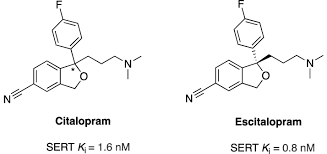
In this case, escitalopram has become one of the most commonly prescribed SSRIs in America thanks to marketing that said it worked better than its older, cheaper fraternal twin, citalopram. A 2023 review found that wasn’t true, and that the difference is in ‘potency, not efficacy.’
Still, it’s become a cultural phenomenon, embodied in the ‘Lexapro Girlie’ meme. Women have historically been a target demo for psych meds, starting with the Mommy’s Little Helper benzo era. But concerns about addiction made doctors more wary, and in the 2000s, SSRIs like Paxil and Lexapro got FDA approval for anxiety disorders, and prescribing practices shifted.
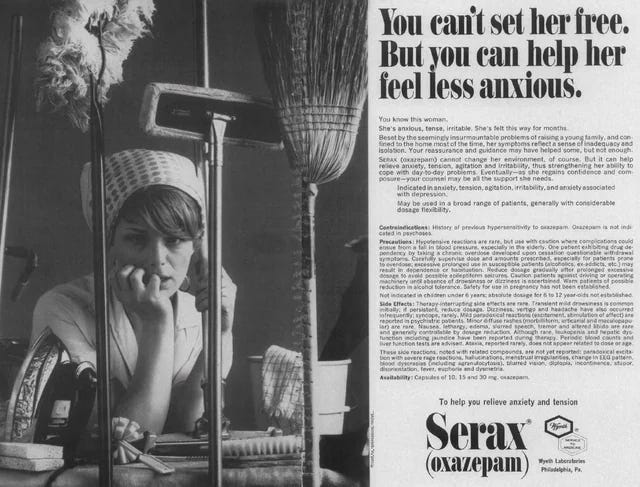
Now, women hashtag #LiveLaughLexapro on TikTok, and news outlets accuse them of glamorizing the drug as a ‘hot lifestyle accessory’ — a take that, in my opinion, misunderstands how the internet generations use irony to express sincerity.
Take this National Post piece from this month about ‘hot girls on SSRIs’, which weaves a narrative about a dangerous trend of overprescribing to people who aren’t really ill, and are just expecting a ‘magic pill’ to solve all their regular life problems.
But the only actual content creator in the piece contradicts this story, saying that she tried to ‘tough it out’ with ‘magnesium, meditation, deep breathing,’ before finally accepting that she needed to try meds. When asked why she talks about it online, she said:
“Because social media is so fake. I want to be real and honest and raw and show people, ‘This is real life.'”
This month I read the book Strangers to Ourselves by the journalist Rachel Aviv, possibly one of the best books on mental illness I’ve ever found. Aviv uses journals and unpublished memoirs to explore how people conceive of their mental distress and reconcile often conflicting narratives about it. In one chapter on Laura Delano and psych med withdrawal, she writes about her own entry into the world of the ‘Lexapro girlies’, spurred by an onset of social anxiety.2
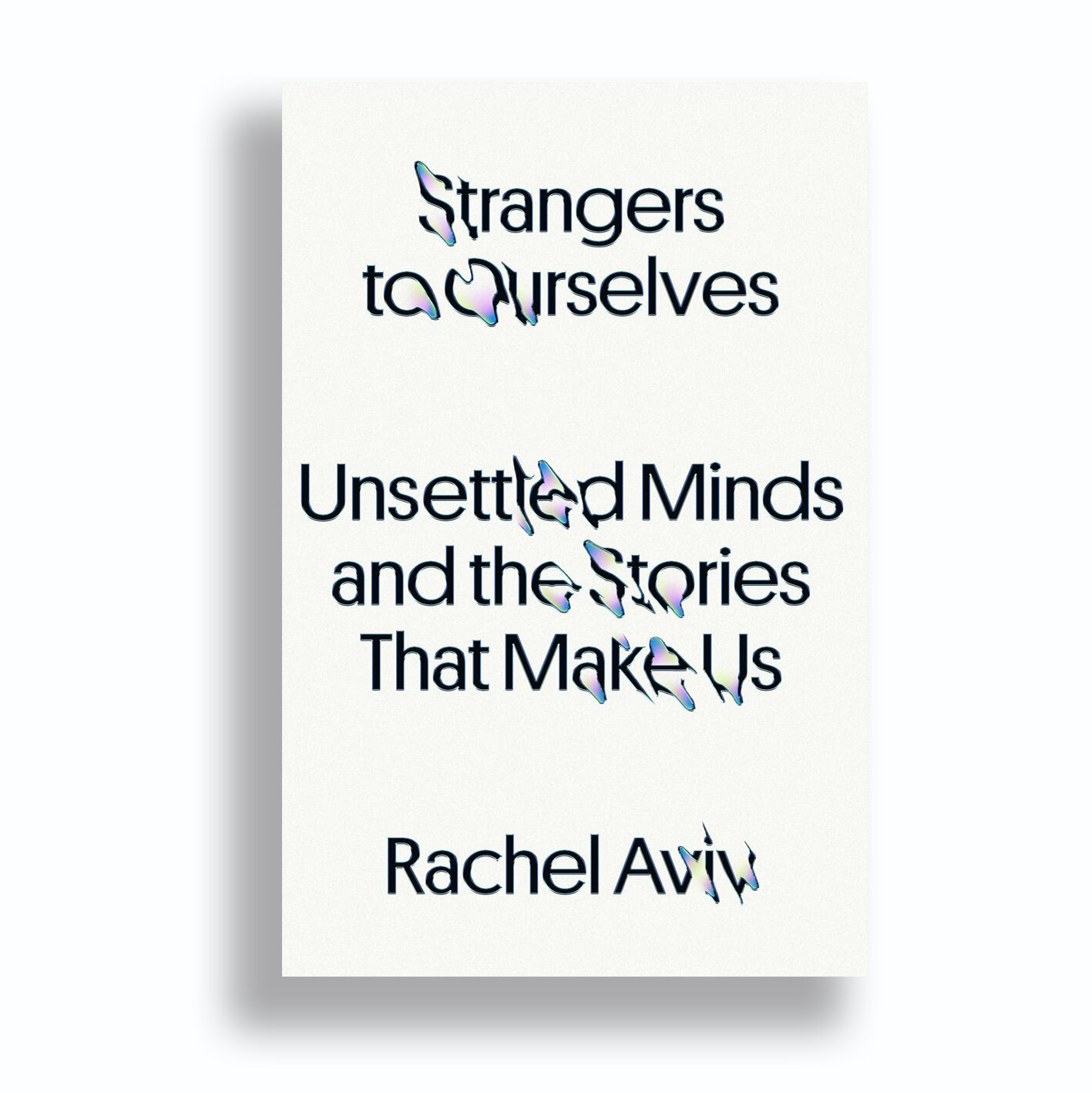
I was struck by the existential way her psychiatrist described what the drug might do for her:
